

Reminder:
I have an ‘Ask me Anything’ running currently - post a question here to have it answered.
A 25% off sale on annual subscriptions is running to the end of the year.
Some ‘best of’ lists seek to achieve a spurious objectivity through means such as reader polls, complex ranking systems or asking distinguished experts for their views.
This is not one of those lists. This list has instead been compiled by the greatly superior method1 of me thinking really hard about it and assuming that my opinion mattered more than anyone else’s.
In terms of criteria, firstly, every book on the list is an excellent read. Some of the books on here may be worthy, but there are no books on here purely for their worthiness. Secondly, every book is one that will make you think, or open your eyes to a new perspective - for that is a core function of science fiction, to explore new possibilities. And thirdly, to whittle the list down to 25, I have taken into account relevance and impact - either to the world of today, or to the genre more broadly.
While the borders of every genre are porous, every book on here has a clear claim to being science fiction. There is no pure fantasy, or alternate history - much though I enjoy those genres, this is not their list.
So, without further ado, let’s get cracking. As is traditional, we’ll do this in reverse order, so you’re kept guessing to the very end as to whether I’m overlooking your own favourites, or saying they’re amongst the best.
Blindsight - Peter Watts (2006)
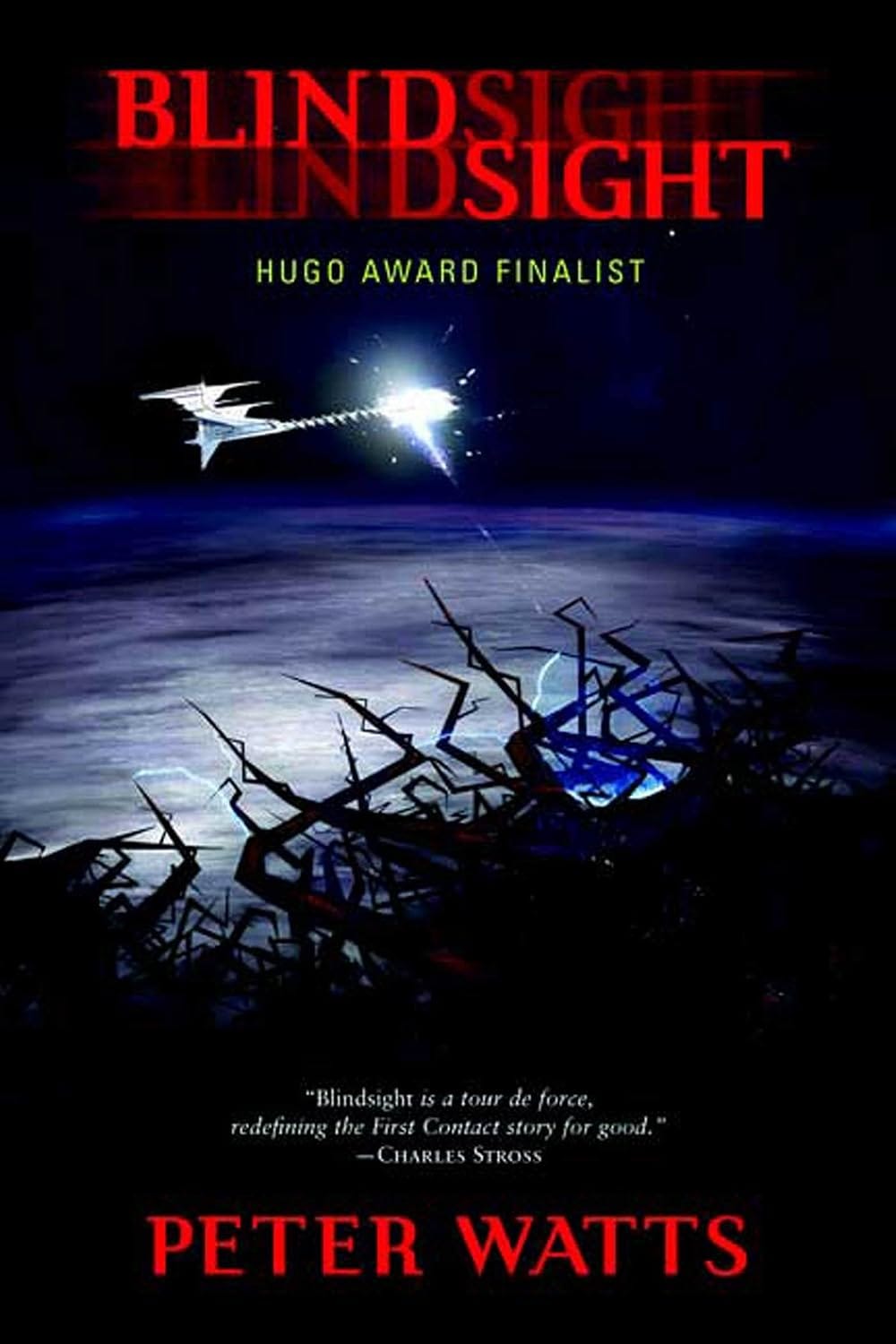
In a world where brain modification pushes people to the edge of what it means to be human, a specialist crew investigate a mysterious alien incursion at the edge of the solar system. The race to uncover the nature of the intruders takes place in parallel with increasing hints of unrest back on Earth, as the novel explores the meaning of identity, humanity and the nature of consciousness.2
The Rowan - Anne McCaffrey (1990)
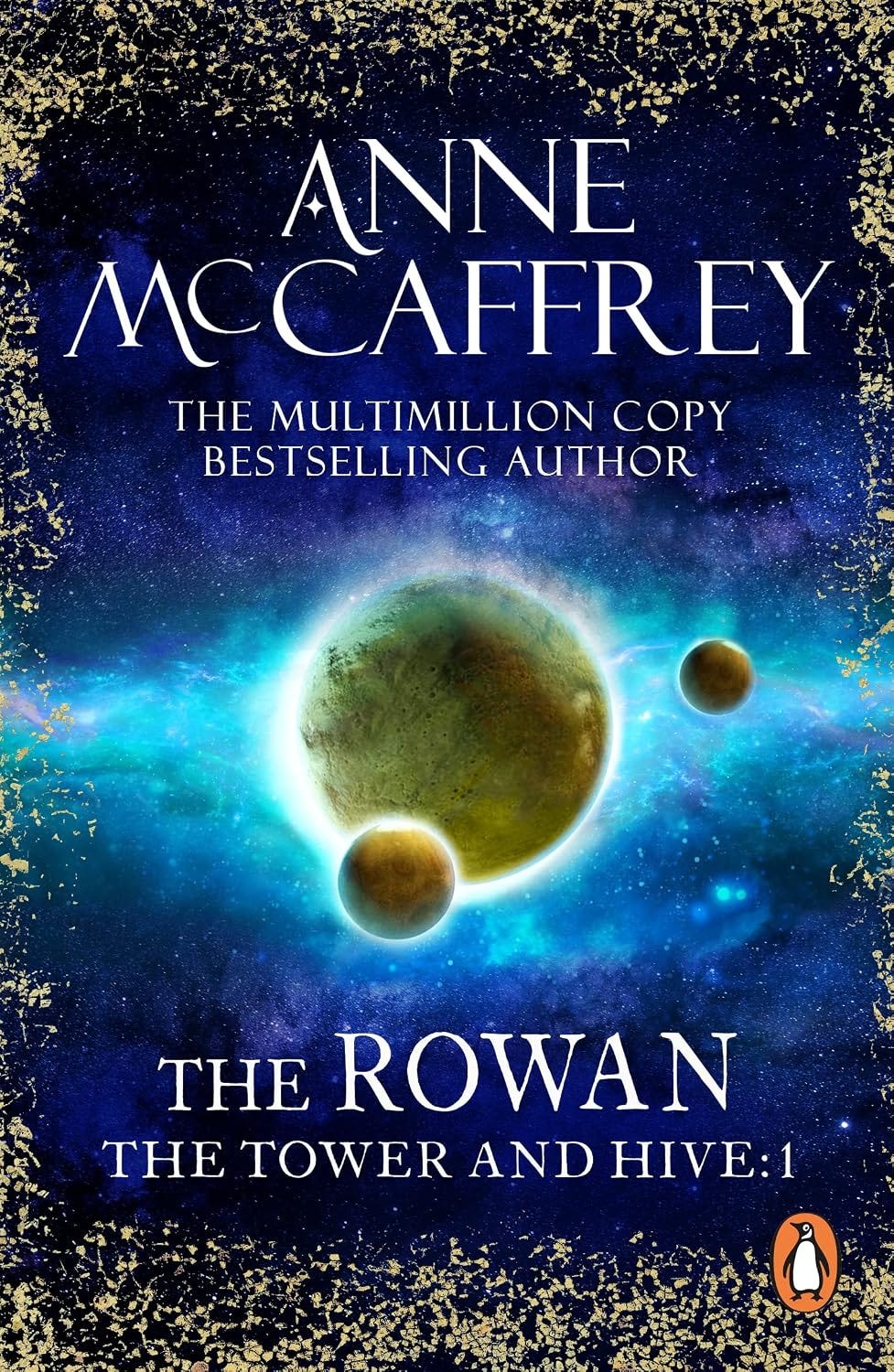
The Dragonriders of Pern may be better known, but McCaffrey’s ‘Talents’ universe, where lonely Primes sit in towers, using nuclear-powered gestalt to flip spacecraft through the void, is equally thought-provoking.3 What if humanity’s entire space-faring ability was wholly dependent on half a dozen ultra-powerful telekinetics?
Neuromancer - William Gibson (1984)
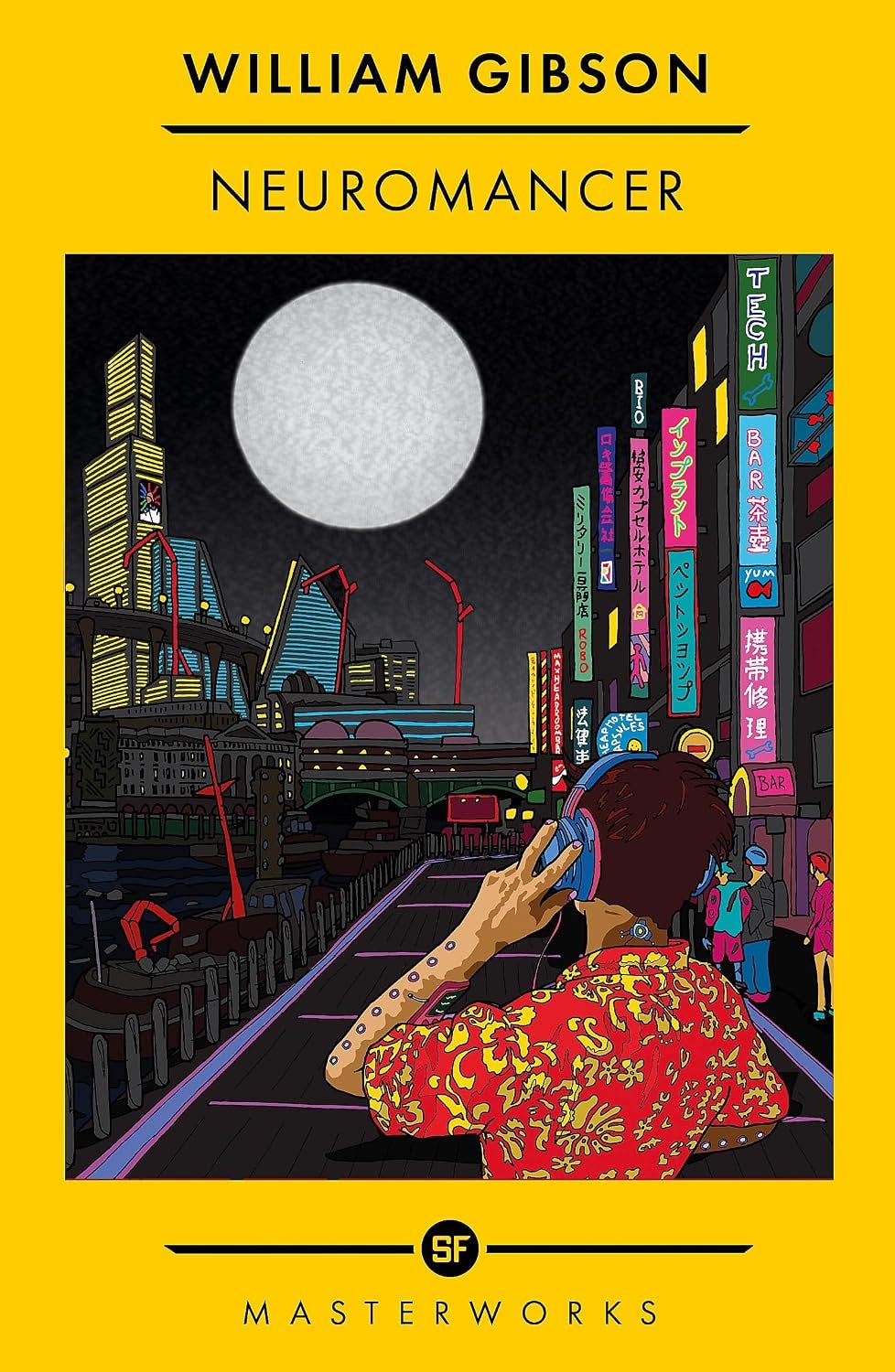
The genre-defining cyberpunk novel that originated, popularised or defined many of its conventions, including mega-corporations, cyberspace, ‘ICE’,4 anti-hero hackers and a hybrid Japanese-American culture. The plot can be confusing at times, but more than forty years on, it remains a tumultuous and often prescient glimpse into an alternative future.
From the Earth to the Moon and a Trip Around It - Jules Verne (1865)
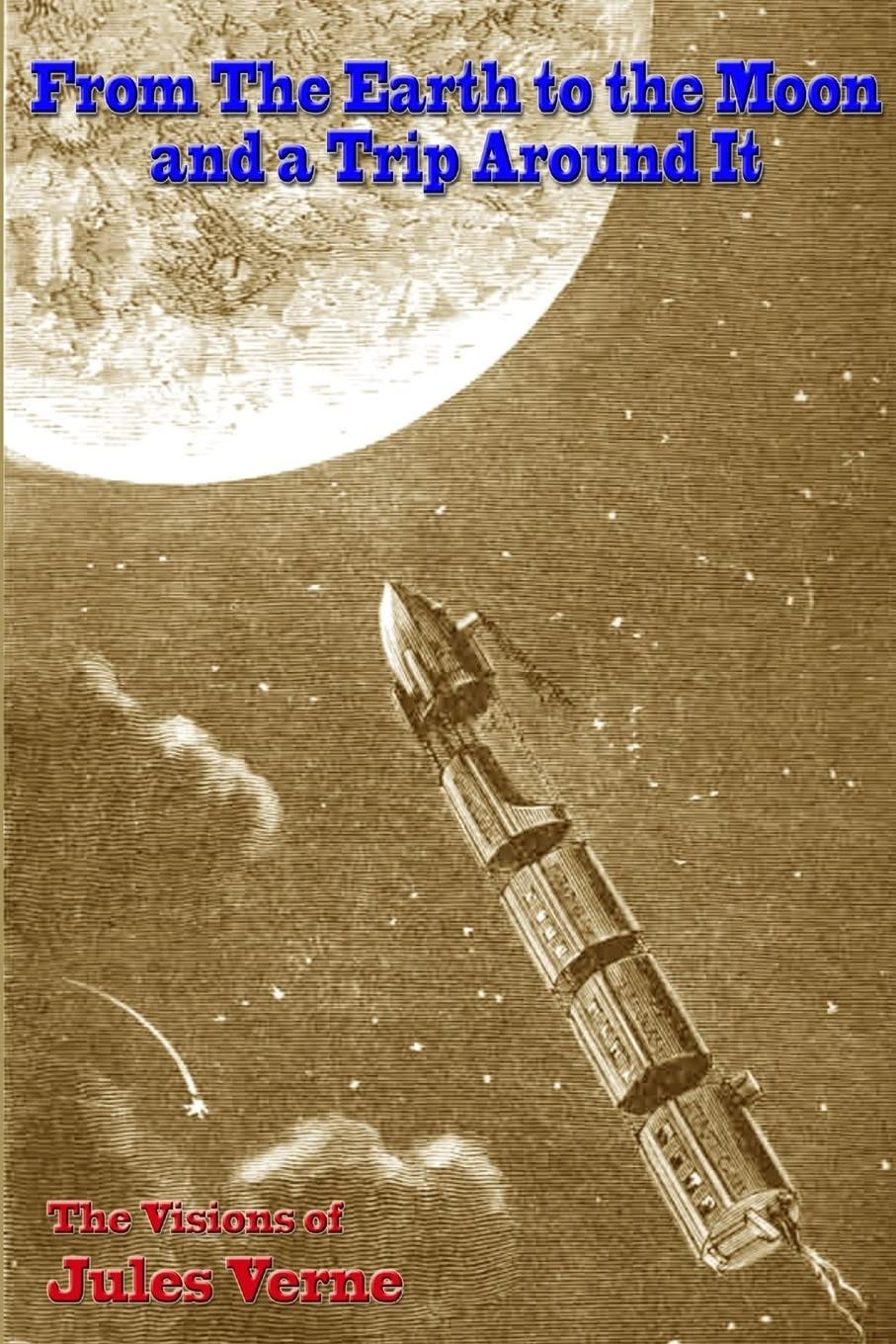
What if we went to the moon not in a rocket - but fired from a colossal gun? One of the first truly ‘hard’ science fiction novels, Verne’s calculations for the velocity required and travel time were almost spot on - even if his giant gun would have exploded on firing. The Baltimore Gun Club, at a loose end following the end of the American Civil War, decide upon an alternative venture - accompanied, of course, by an irrepressible Frenchman.5
Last and First Men - Olaf Stapledon (1930)
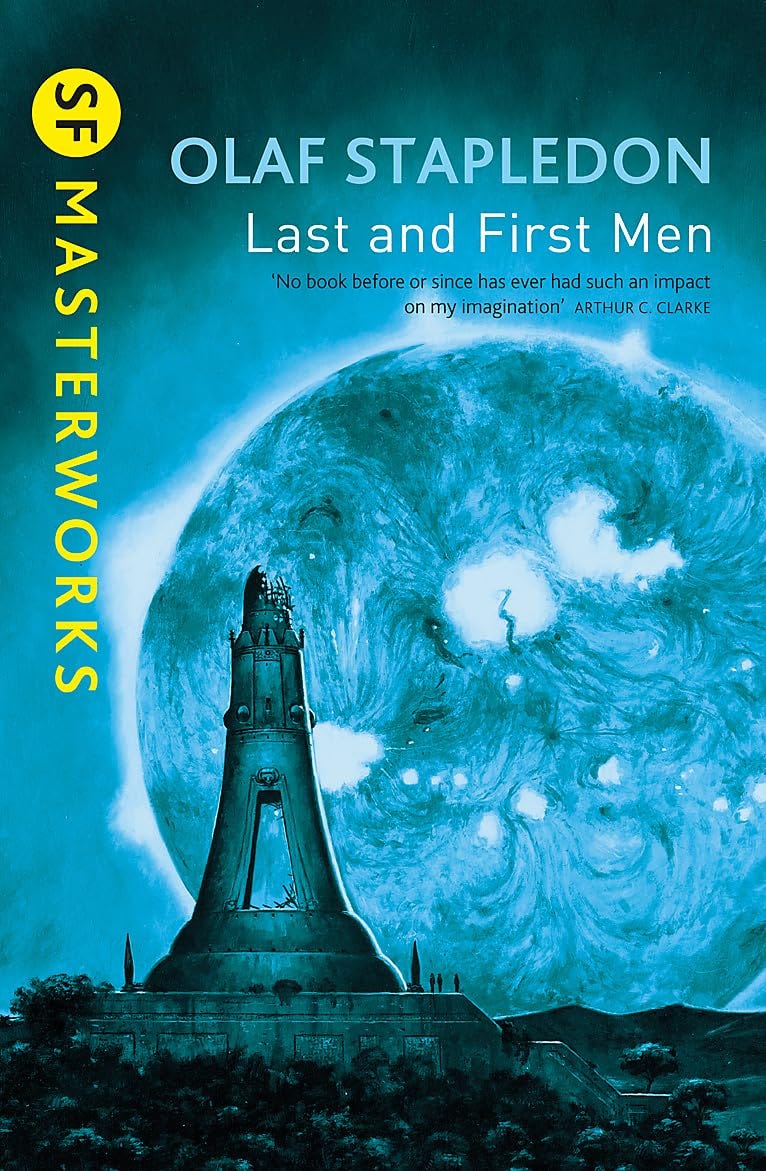
A future history, not a novel, Stapledon takes us forward across billions of years as new races of humanity rise and fall - on Earth, on Venus and ultimately on Neptune. Some winged, some more intelligent and some less intelligent, some deliberately designed and some evolved, each have their turn on the stage.
Accelerando - Charles Stross (2005)6
Uploaded lobsters, vile offspring and matrioshka brains, this is the ultimate novel of the Singularity - now in focus again, with the last few years’ developments in AI. Told through the eyes of a number of individuals, Accelerando’s ever-quickening pace sees humanity - and the solar system - fundamentally transformed by an AI hard take-off.
The Day of the Triffids - John Wyndham (1951)
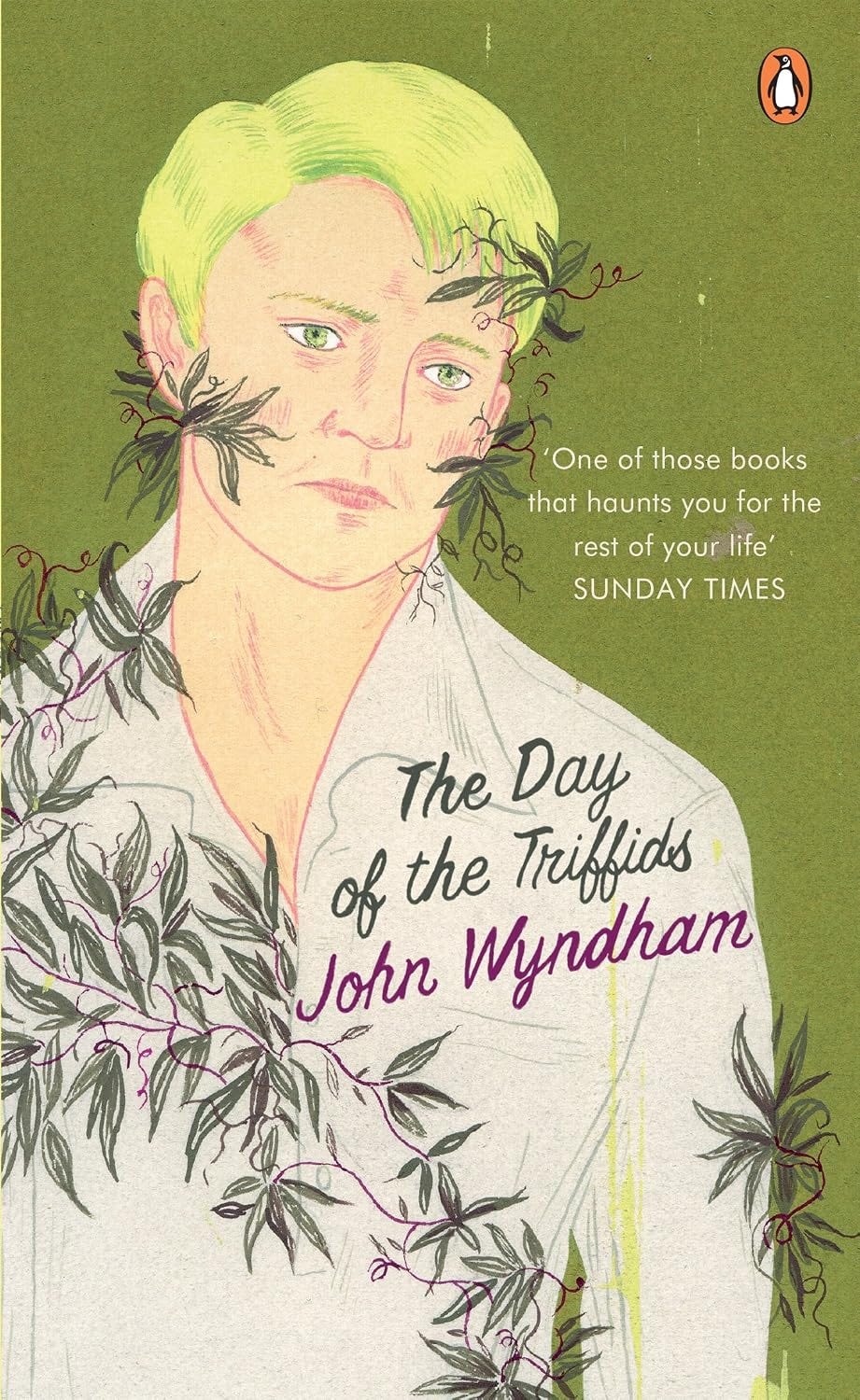
What if almost everyone went blind, and sentient, walking, carnivorous plants inherited the earth? This unlikely premise forms the basis for one of the most civilly bleak post-apocalyptic novels, as the protagonist and his companion wend their way across the devastated Home Counties, seeking a safe haven where the remnants of humanity can survive.
A Canticle for Leibowitz - Walter M. Miller Jr (1959)
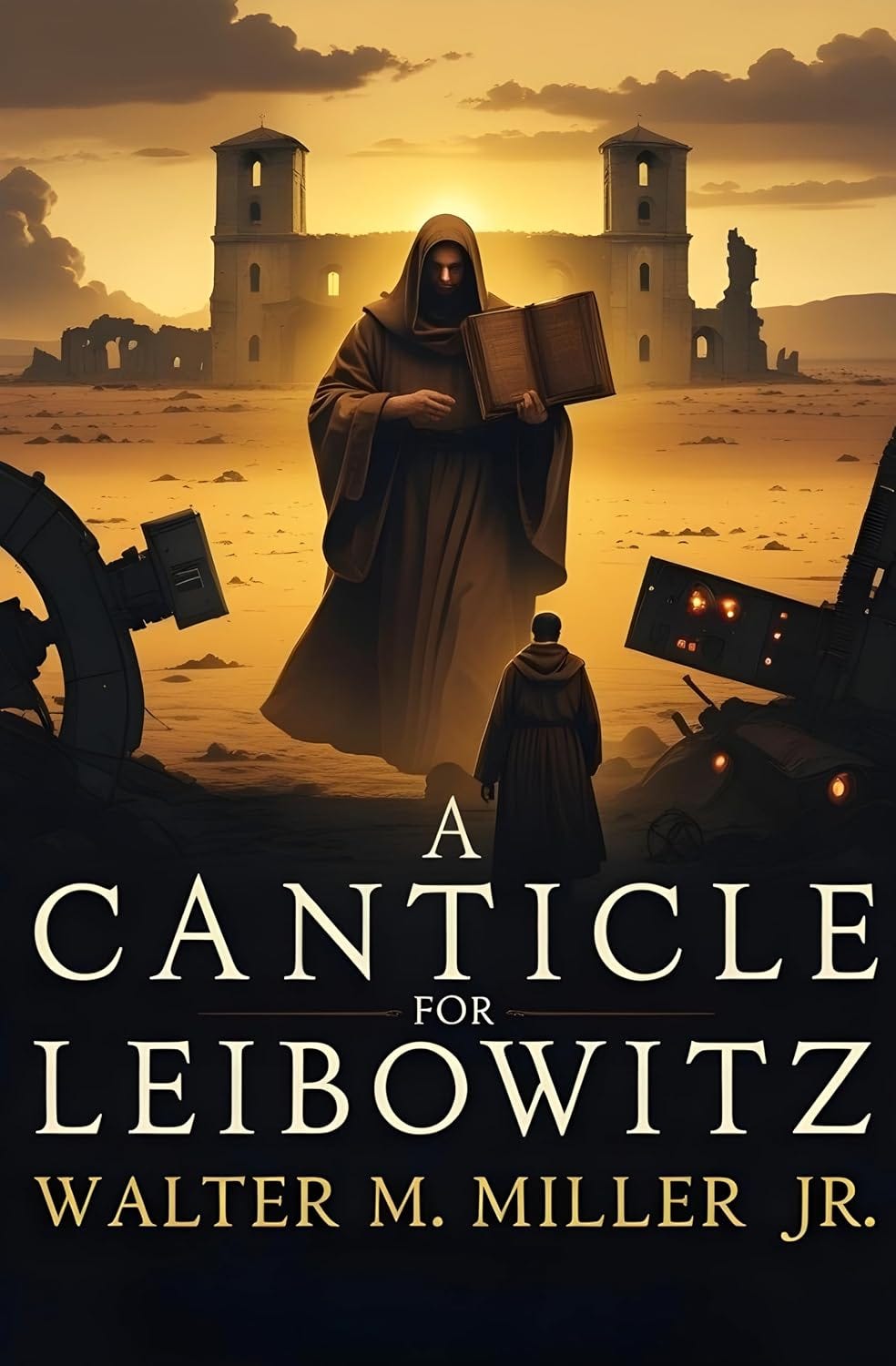
After a nuclear holocaust, humanity has a second go at civilisation - as seen through the eyes of the Albertian Order of Leibowitz, a Catholic monastic order dedicated to preserving knowledge. From an oasis preserving literacy, to a co-equal power in the Renaissance, to its sidelining, in both power and morality, in a new technological age, the Leibowitzians remain steadfast.7
The Time Machine - H. G. Wells (1895)
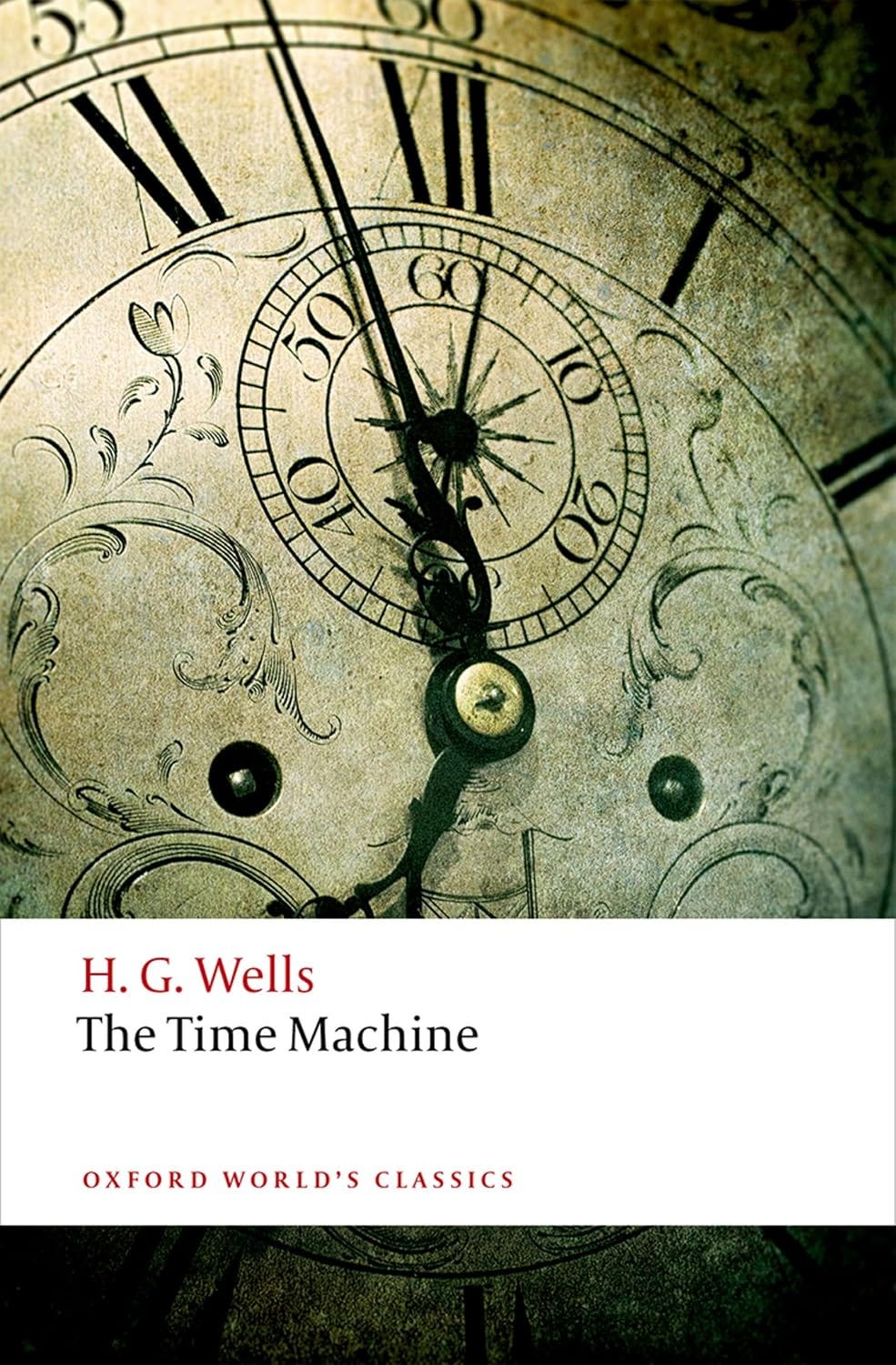
Published a decade before Einstein’s discovery of Special Relativity, Wells’s haunting vision of a far future divided between the pacifist Eloi and brutish Morlocks retains its compelling quality. At under 100 pages, it’s a short read, but no less powerful for that.
The Mote in God’s Eye - Larry Niven and Jerry Pournelle (1974)
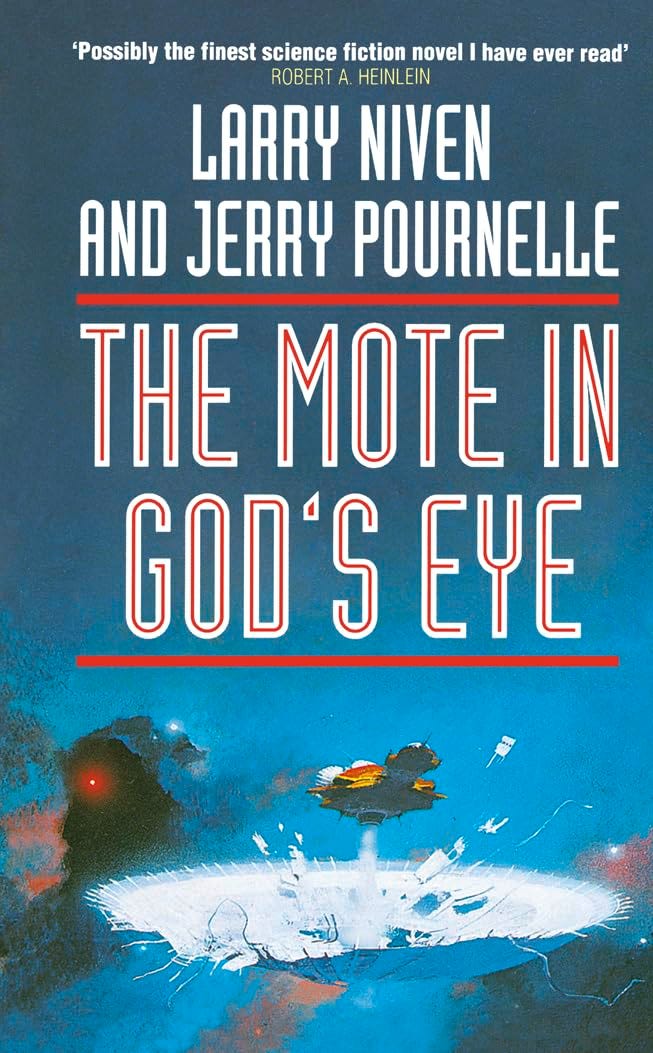
What happens when you combine Niven’s extraordinary imagination with Pournelle’s ability to actually tell a story that has a plot? You get The Mote in God’s Eye, perhaps the best first-contact encounter with a truly alien extra-terrestrial species ever written, in a richly rendered future setting.8 A rare occasion of a joint-authored novel being better than any that either has written alone.
Ender’s Game - Orson Scott Card (1985)
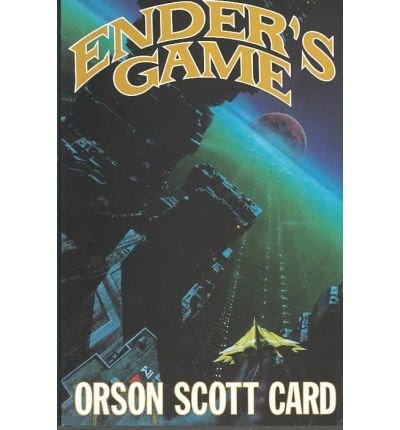
With Earth at war with the alien ‘buggers’,9 six-year-old Ender Wiggin is taken to an orbital ‘battle school’, where the most gifted young children are put through a brutally competitive training regime to create Earth’s future top commanders. On one level a gripping boarding school/survival story complete with exhilarating battle matches, on another, something much deeper and more disturbing - on either, an essential read.10
2001: A Space Odyssey - Arthur C. Clarke (1968)
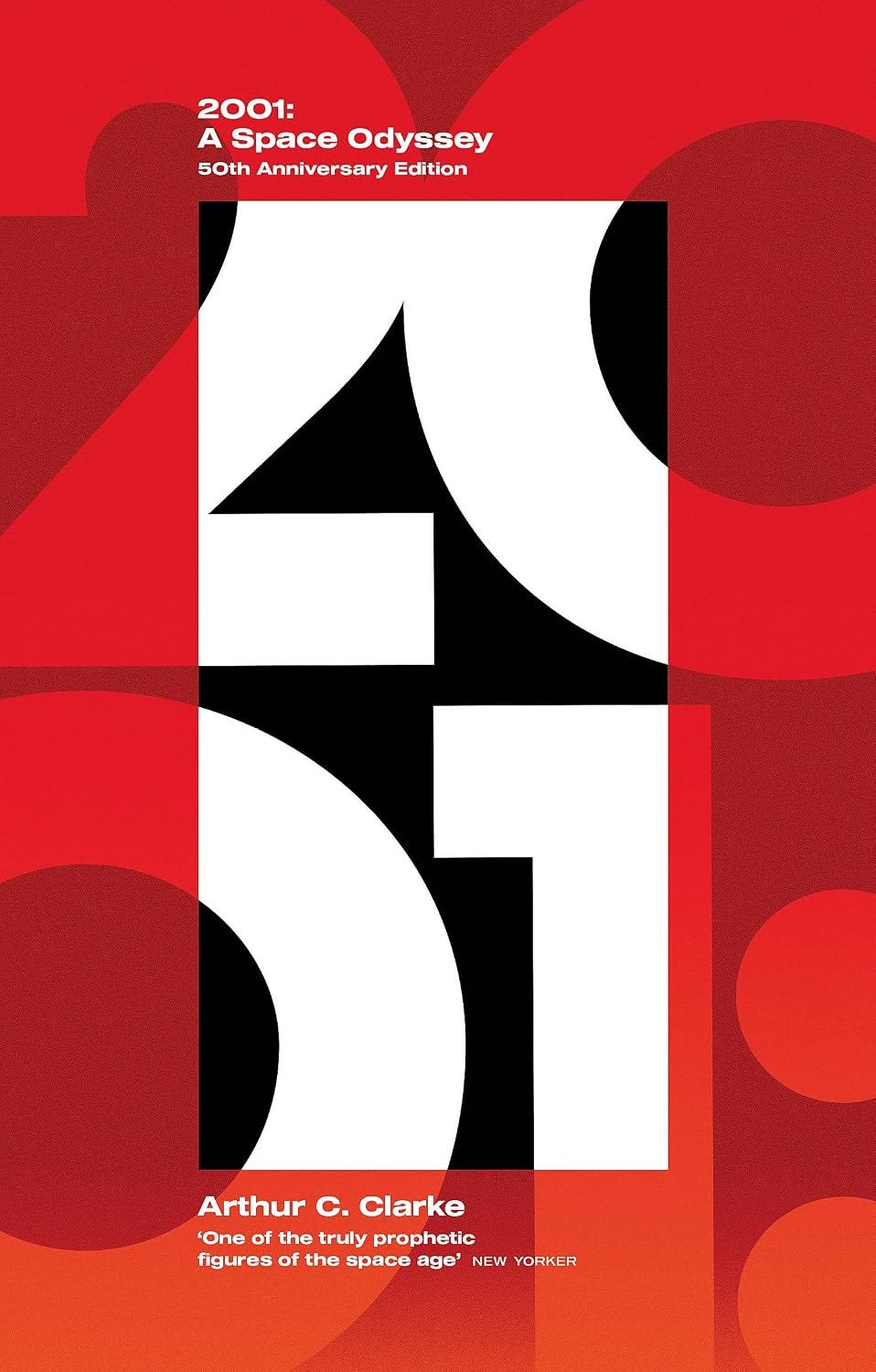
Apes drumming in the dawn of humanity; a mysterious black monolith on the moon; voyages past the moons of Jupiter: Clarke may have got the date wrong, but the voyage of discovery across the solar system is as powerful as ever. ‘I’m sorry, Dave, I’m afraid I can’t do that.’
Nineteen Eighty-Four - George Orwell (194911)
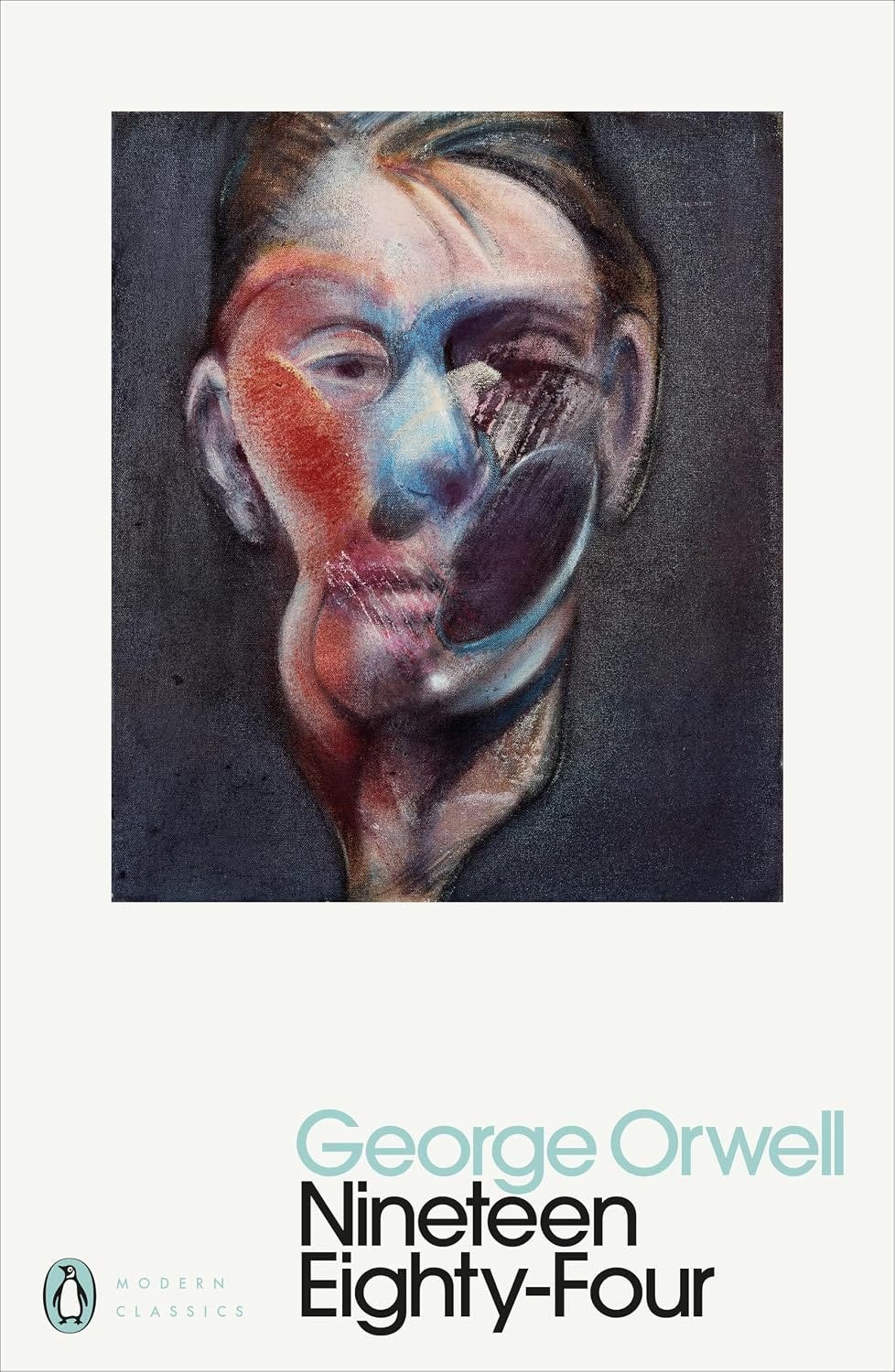
Oceania has always been at war with Eastasia. Set in a totalitarian, communist, surveillance state, perpetually at war, Orwell’s bleak tale of Winston Smith’s quest for truth remains the ultimate dystopian novel. Others may have been more imaginative, or posed more interesting moral questions - but none can match Nineteen Eighty-Four’s execution.
Leviathan Wakes - James S. A. Corey (2011)
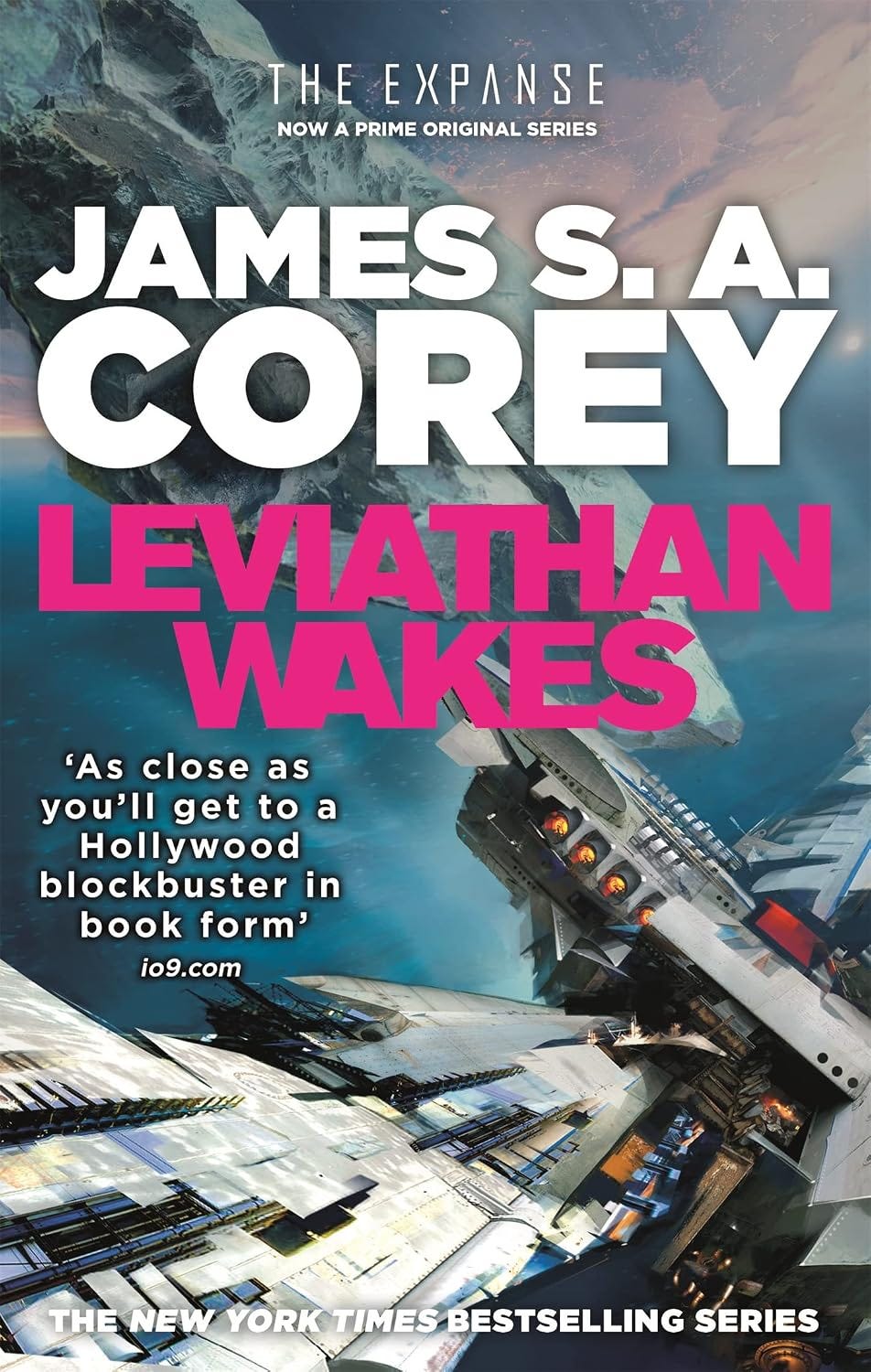
The opening novel of The Expanse, the outstanding space epic of the 21st century. In 2350, humanity has spread out through the solar system - and has enough problems already, even before the discovery of the alien artefacts. The Expanse combines the intimate tale of a crew of a small, battered, trading ship, with in-depth and morally complex interplanetary politics, all in a deeply plausible variety of future societies.
Contact - Carl Sagan (1985)
A story of science, faith and humanity. Radio astronomer Eleanor Arroway discovers a coded message in a radio signal from Vega, setting off a world-wide effort to decode it. But when the message is found to contain blueprints for a tremendous machine, the questions begin: should we build it and, if so, who should go in it?
The Martian - Andy Weir (2011)
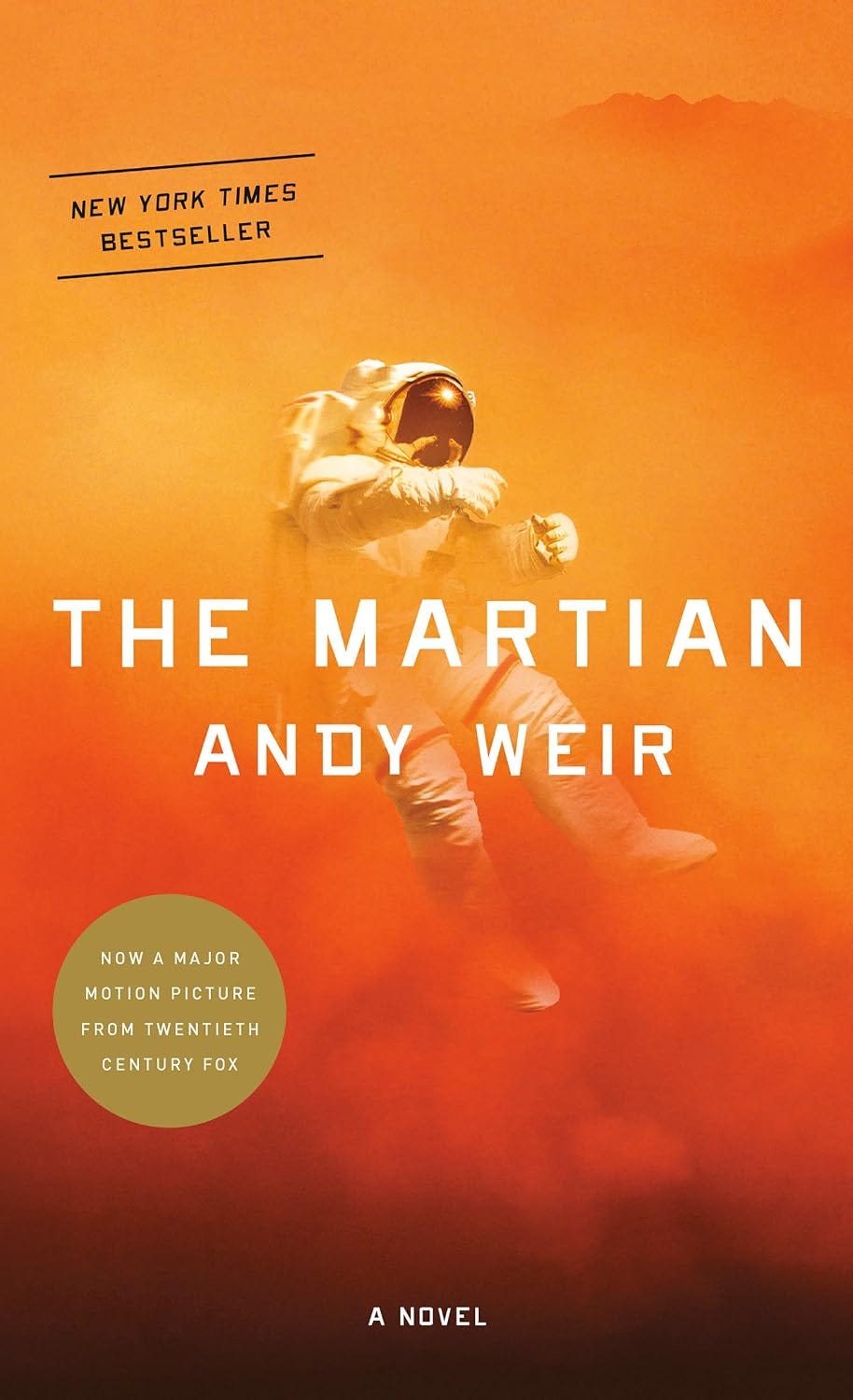
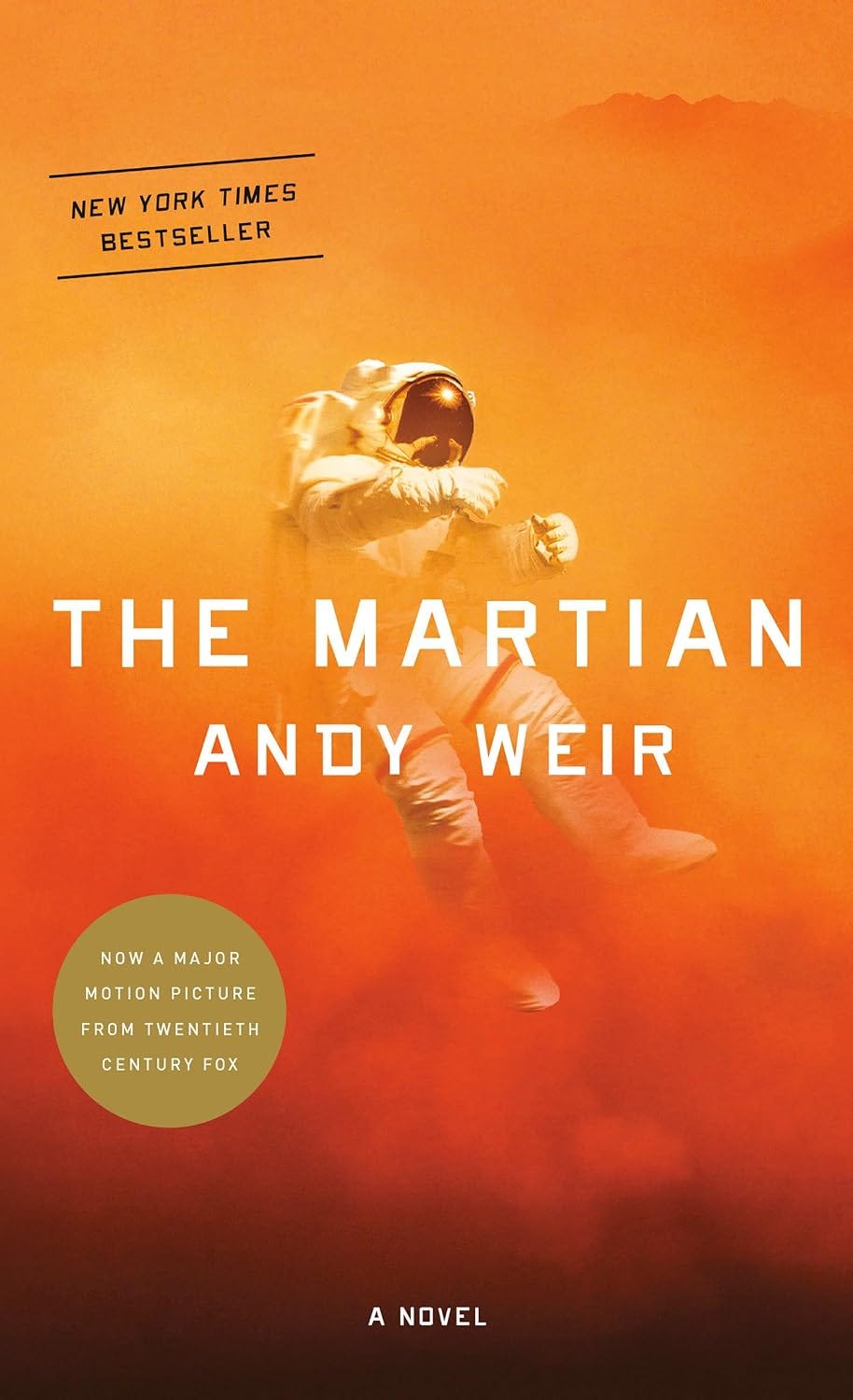
The ultimate modern hard-science fiction classic: man abandoned on Mars must use all his technical ingenuity to survive. The successor and surpasser of older novels such as Clarke’s A Fall of Moondust, this is a book which will devote page after page to how to grow potatoes, or re-engineer a Mars Rover - and yet keep you gripped throughout.
The Diamond Age - Neal Stephenson (1995)
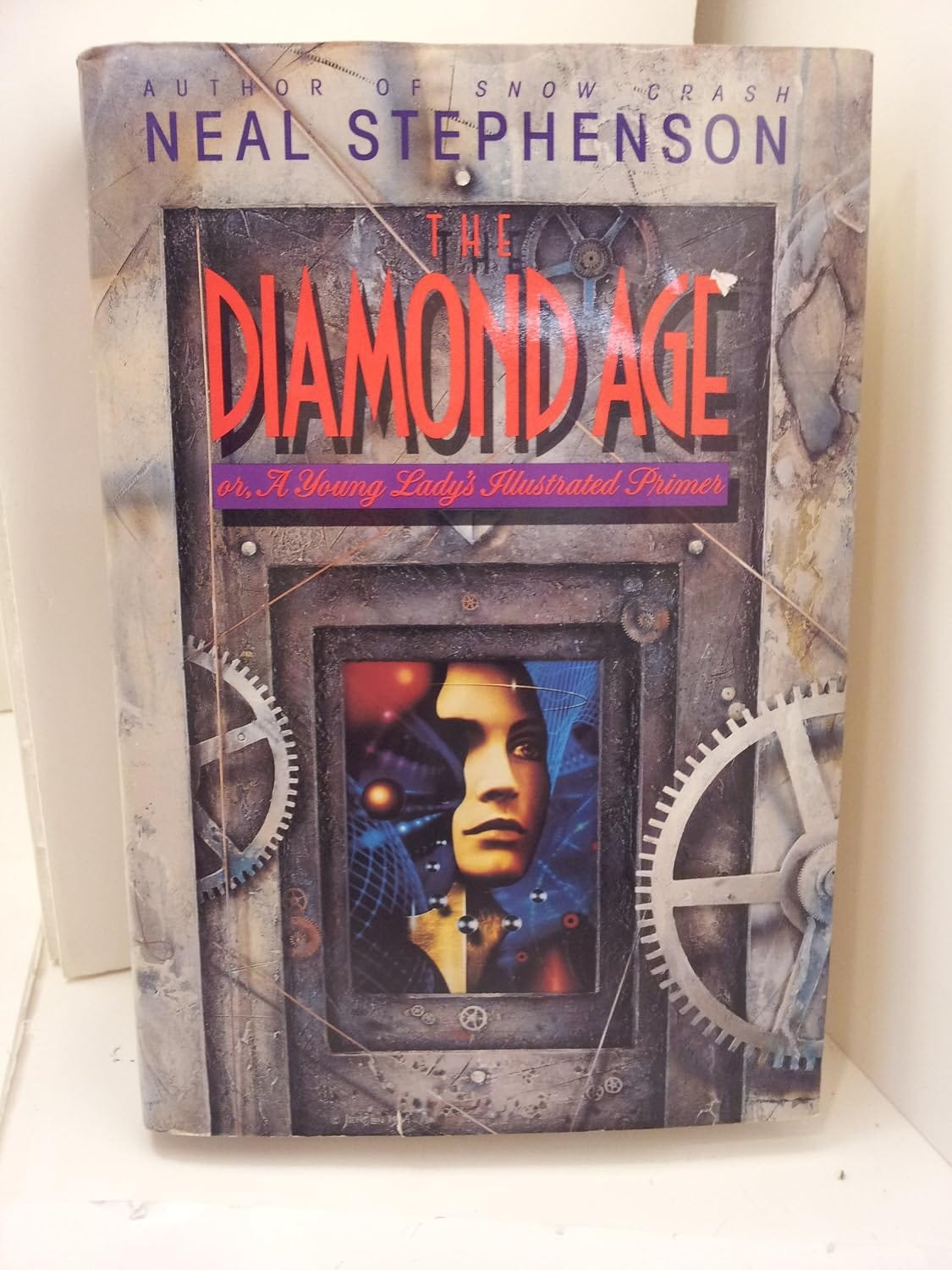
A world of nanotechnology and AI, in which nation states have been supplanted by ‘phyles’ - groupings, sometimes ethnic, sometimes regional, sometimes political, of freely associating individuals - the Diamond Age tells the story of Nell, a young girl growing up in poverty who receives an advanced AI ‘primer’, designed to educate and guide its owner into a ‘more interesting life’. A wildly imaginative roller-coaster ride through a provocative future.
The Moon is a Harsh Mistress - Robert Heinlein (1966)
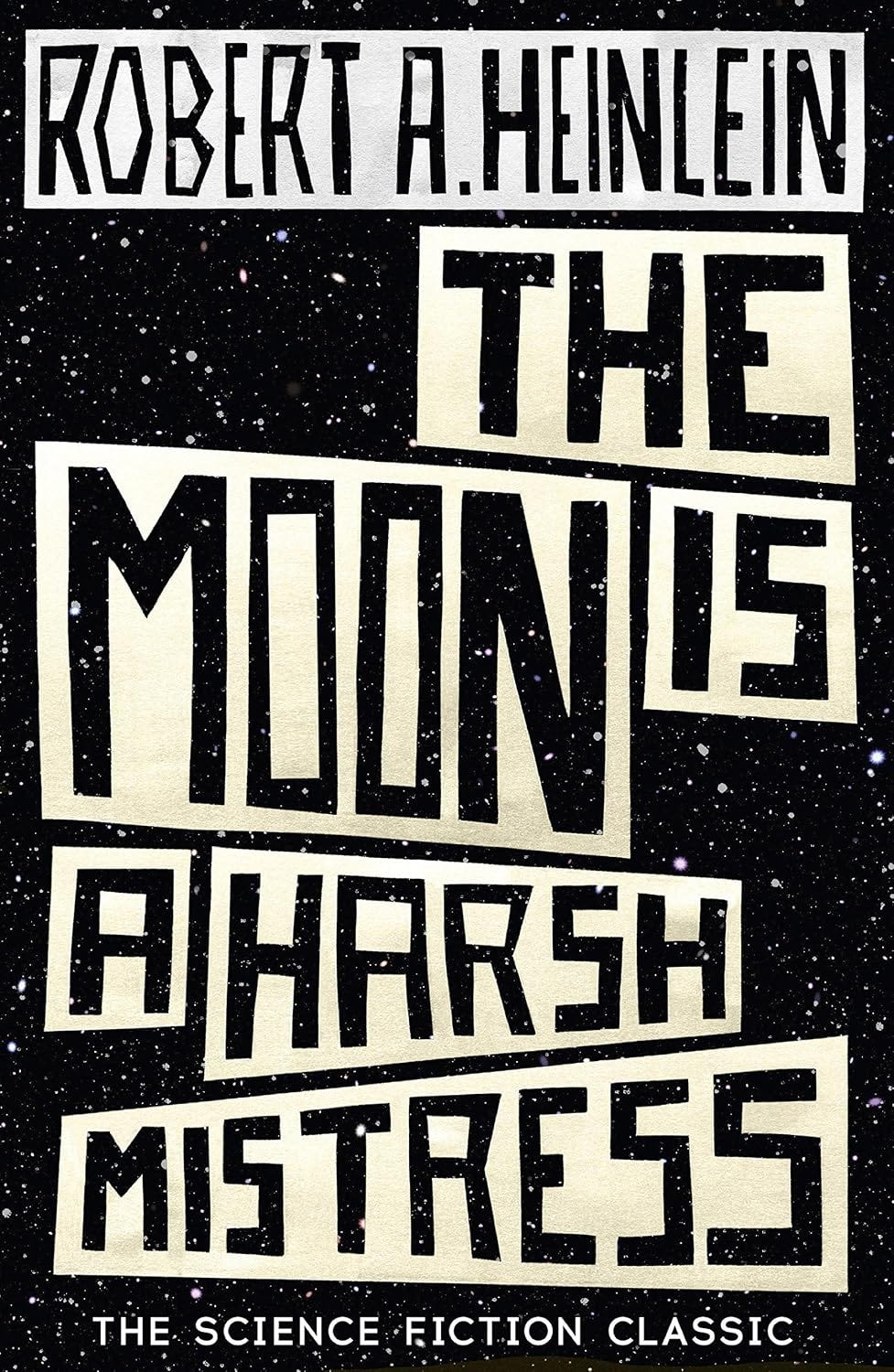
Future societies, provocative forms of government, new social mores: all of classic Heinlein can be found herein. What’s more, the story itself, of an ex-penal lunar colony striving, with the aid of a friendly sentient computer, for independence from Earth is well-plotted and tightly written.12 There ain’t no such thing as a free lunch.
The Hitchhiker’s Guide to the Galaxy - Douglas Adams (1979)
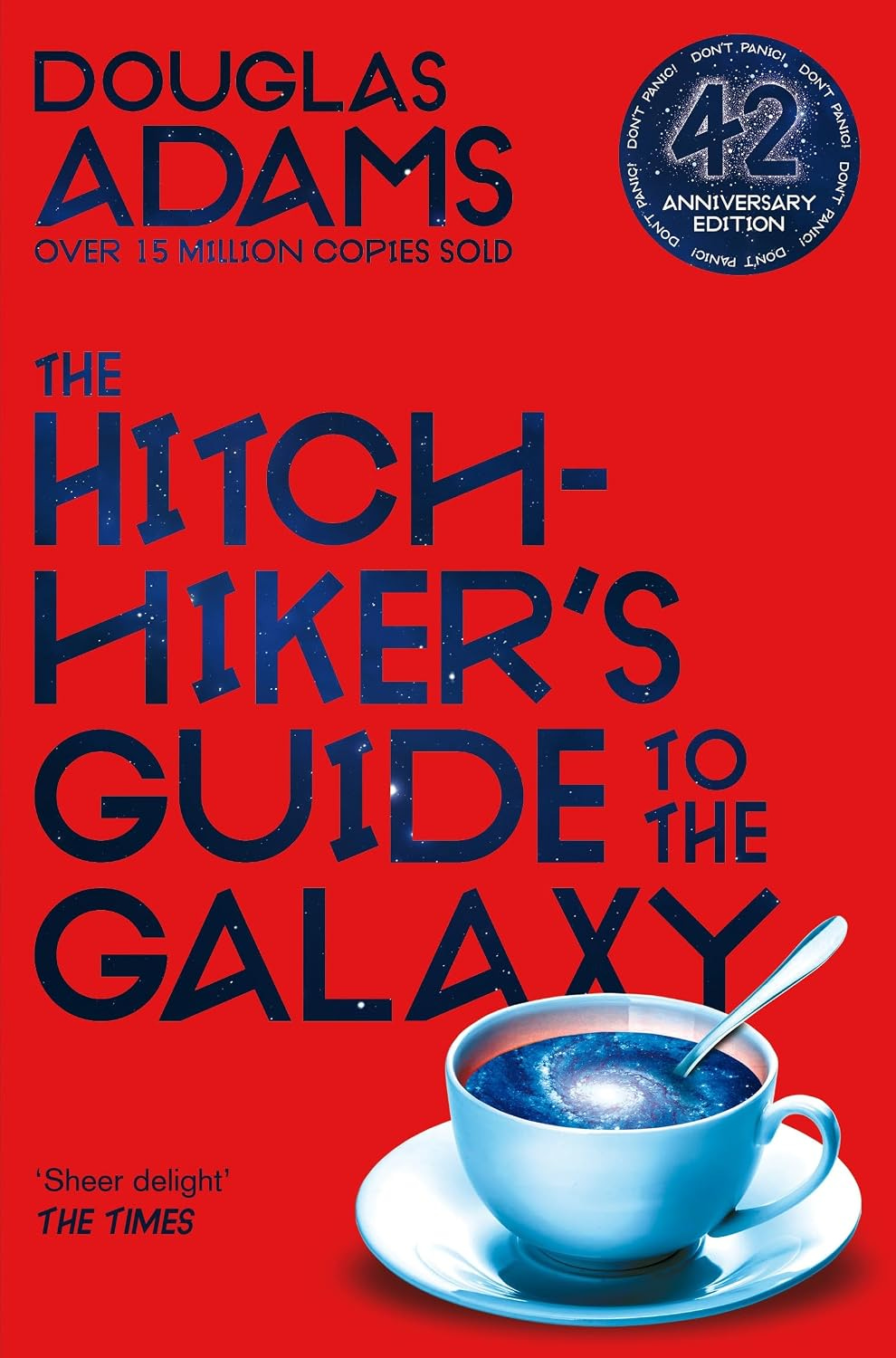
After Earth is destroyed to make way for a hyperspace bypass, lone13 survivor Arthur Dent bumbles his way about the galaxy. From the babelfish to the infinite improbability drive, not to mention the eponymous guide itself, the Hitchhiker’s Guide to the Galaxy remains the comic science fiction masterpiece of all time.
The Warrior’s Apprentice - Lois McMaster Bujold (1986)
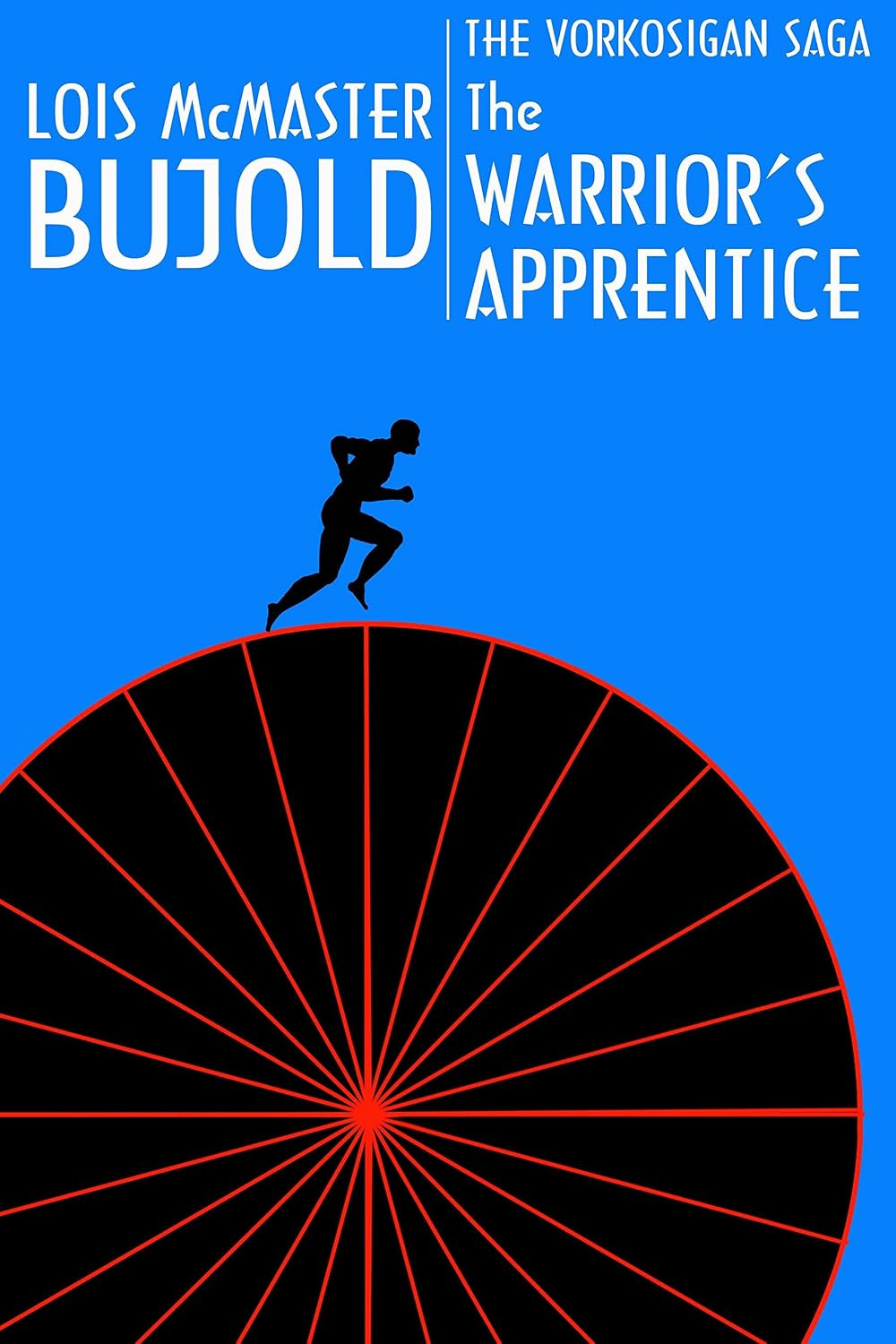
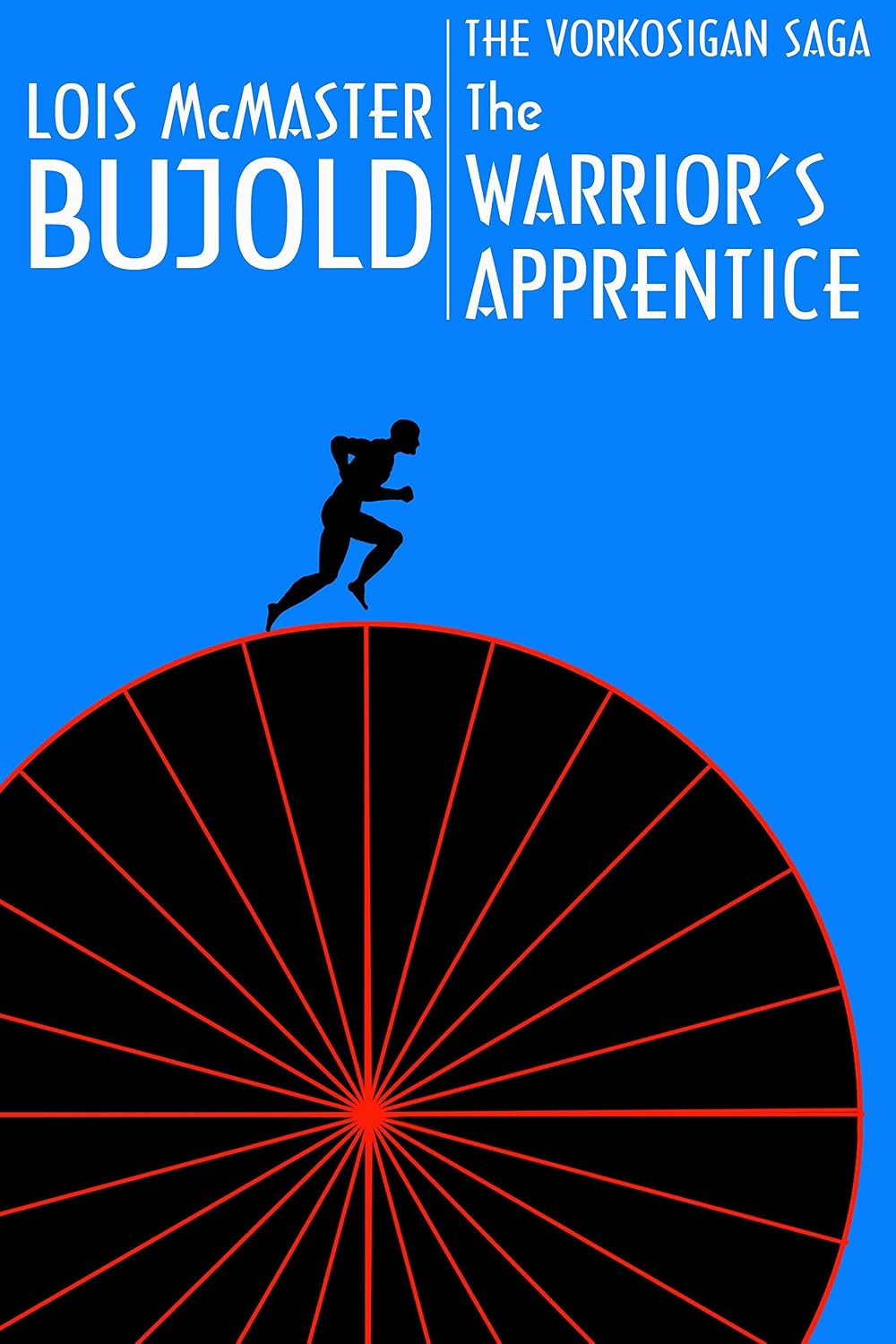
Arguably the best science-fiction author currently writing,14 The Warrior’s Apprentice introduces the brilliant, driven, physically stunted Miles Vorkosigan, primary protagonist of her Vorkosigan Saga, and follows him as he ‘accidentally’ builds himself a mercenary fleet.15 Modern space opera at its finest.16
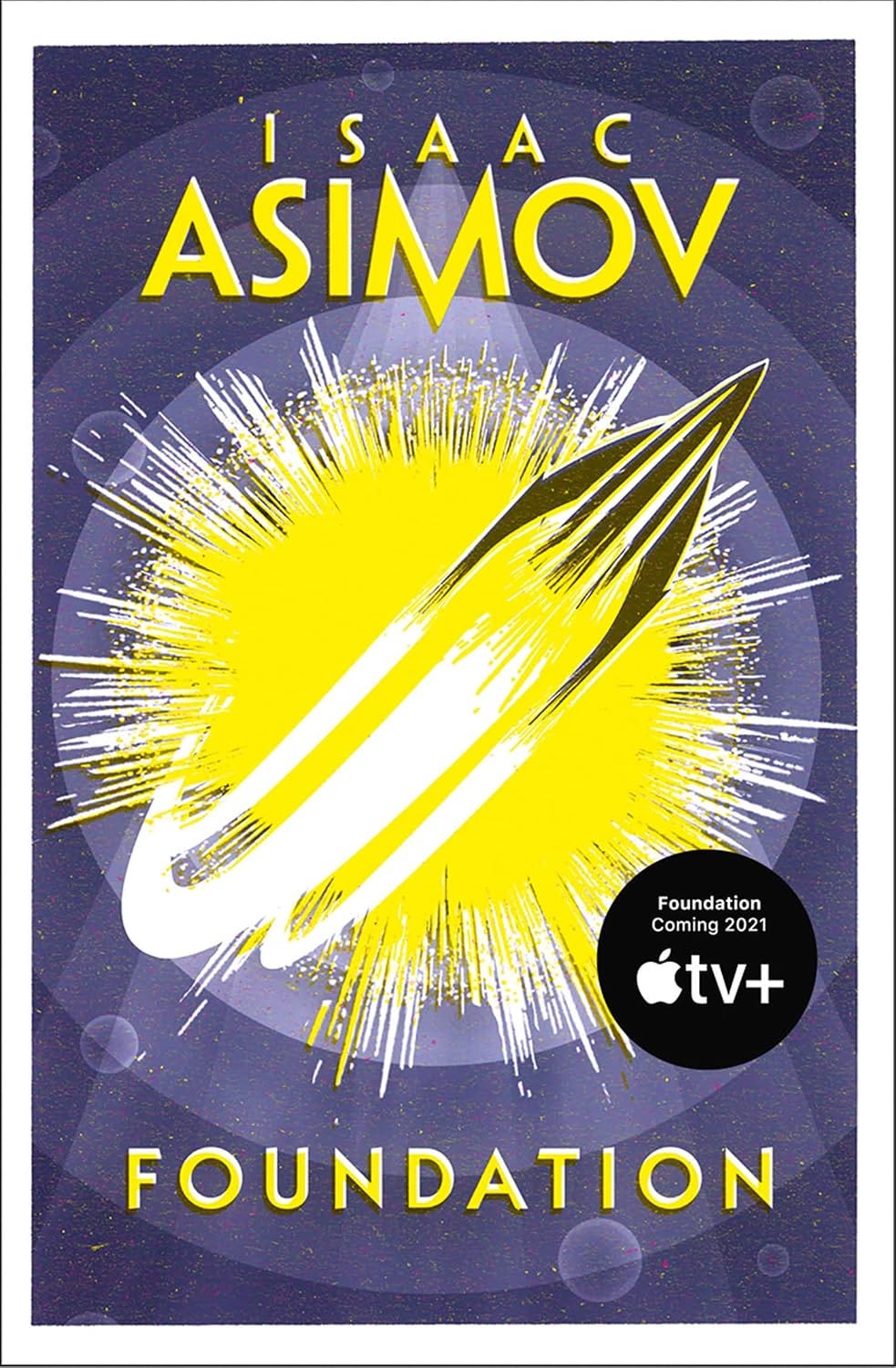
Foundation - Isaac Asimov (1951)
A novel that shaped the genre, Foundation tells the story of a Galactic Empire in decline, the brilliant psychohistorian who sees a way to minimise the harm - and the lives of those who followed him, living his plan, guiding the new Foundation in its ascent.
The Player of Games - Iain M. Banks (1988)
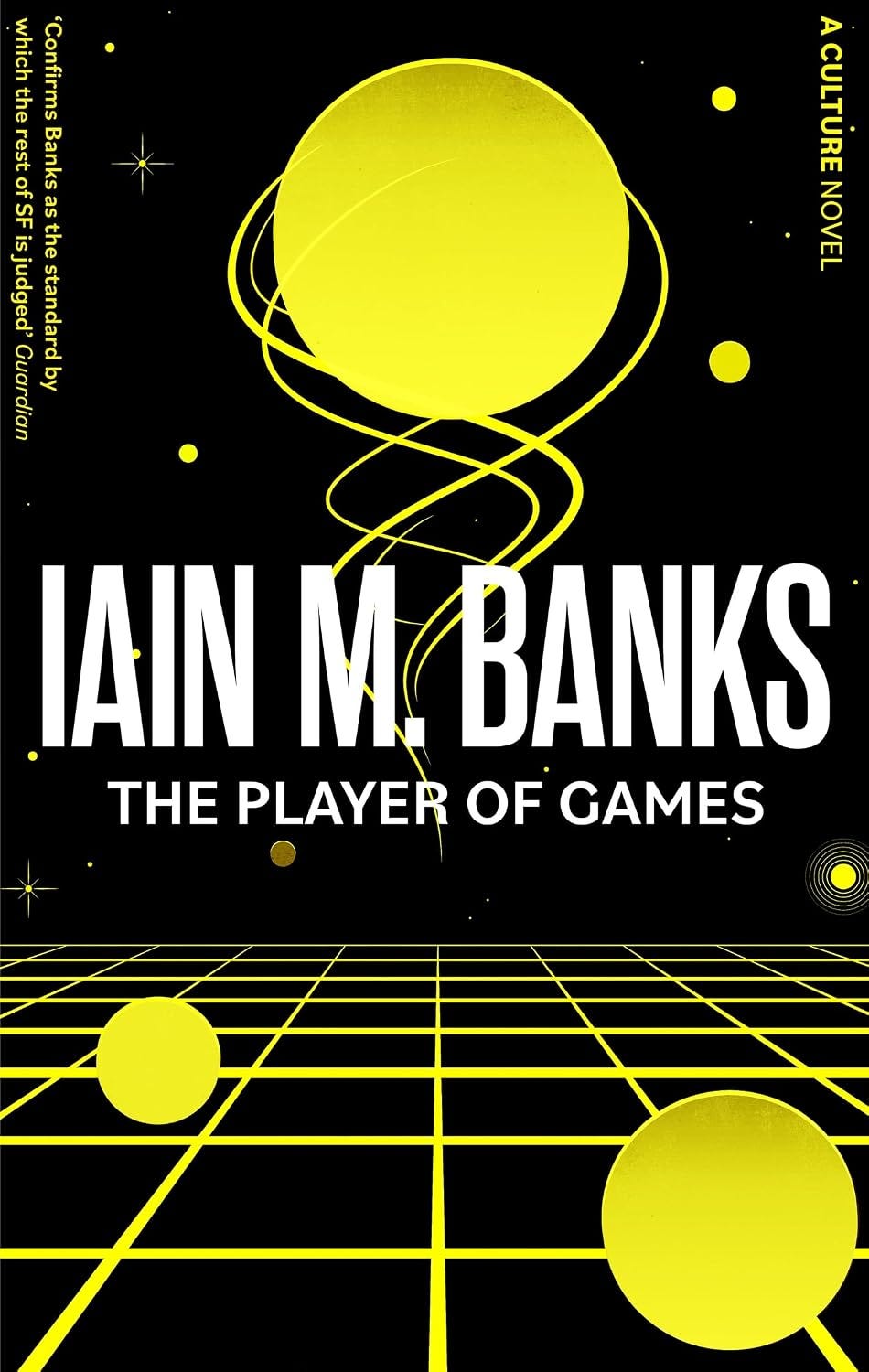
In The Culture, Iain M. Banks created the best, most realised, most compelling utopia ever written - and managed to set gripping stories in it.17 From the hyper-intelligent starships to the widely varying societies, Banks immerses you in his universe - and then makes individual, human stories utterly compelling. In The Player of Games, Jernau Morat Gurgeh must beat the best alien players at their own game of skill in order to engineer a diplomatic incident. This is the story of how he does so.18
Red Mars - Kim Stanley Robinson (1992)
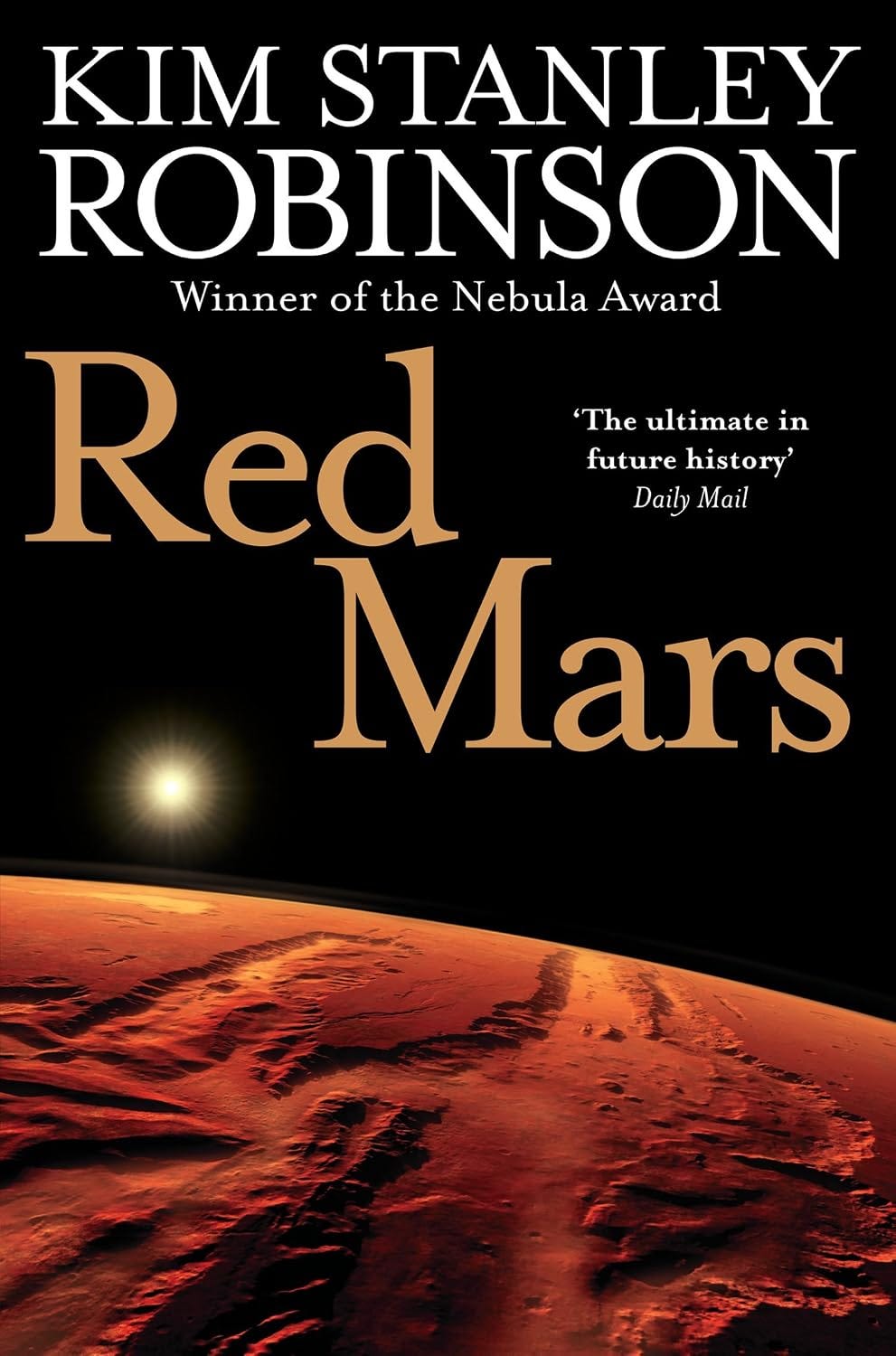
The ultimate story of the colonisation of Mars, from first landing to its subsequent revolt. Terraforming, exploitation, political conflict and emerging new societies - while the turmoil increases on old Earth. Robinson’s use of the First Hundred as both vivid individual characters and stand-ins for the factions that emerge helps to keep the book human, even as his grand narrative unfolds.
The Three-Body Problem - Liu Cixin (2008)
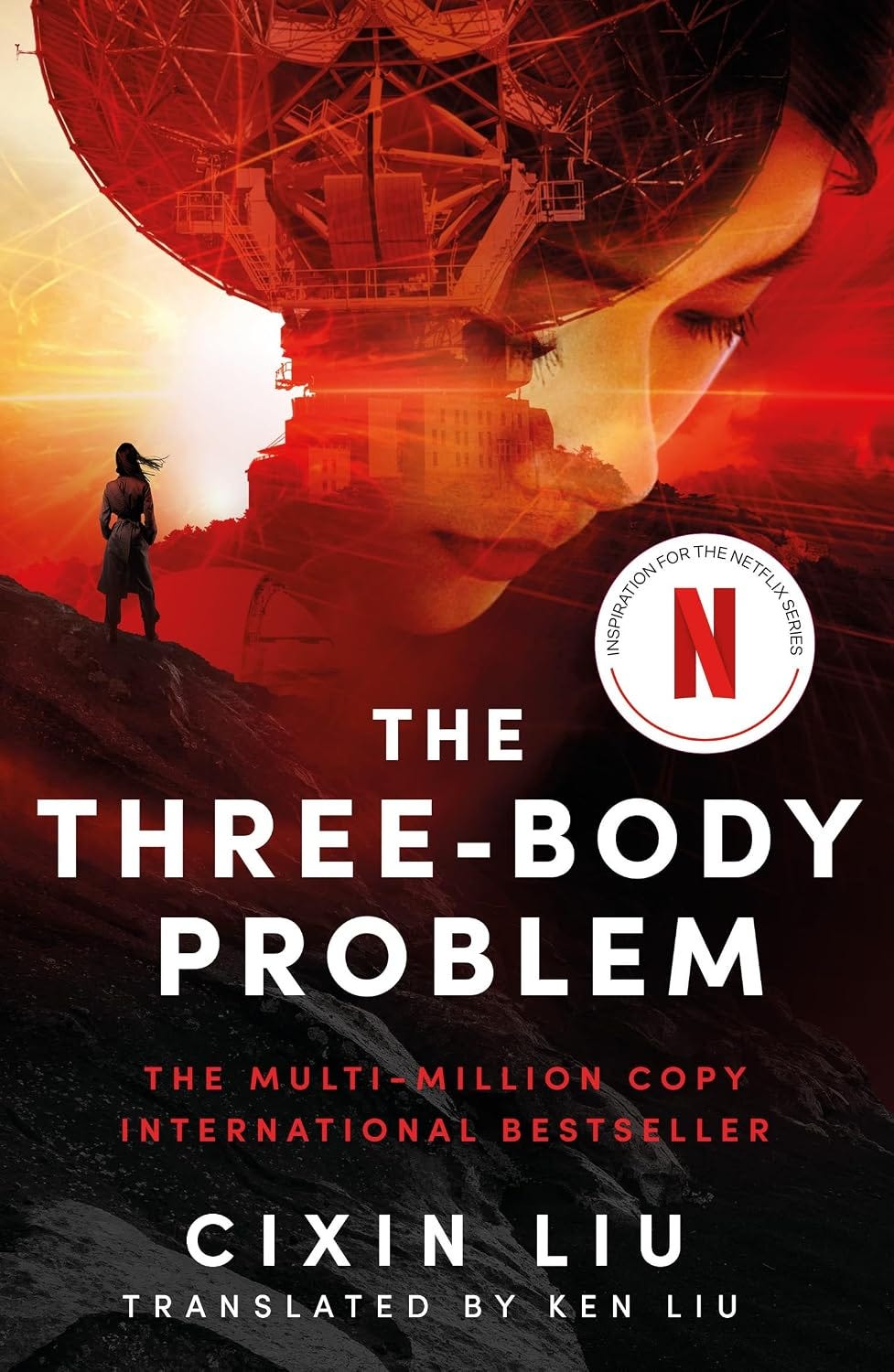
From the Cultural Revolution to the far future, The Three Body Problem and its two sequels depict humanity’s encounter with aliens from our nearest star system - and all that unfolds from there. Complex, masterful, deeply Chinese, with outstanding characterisation, imagination and plot, this is the best science fiction of the last fifty years.19
Dune - Frank Herbert (1965)
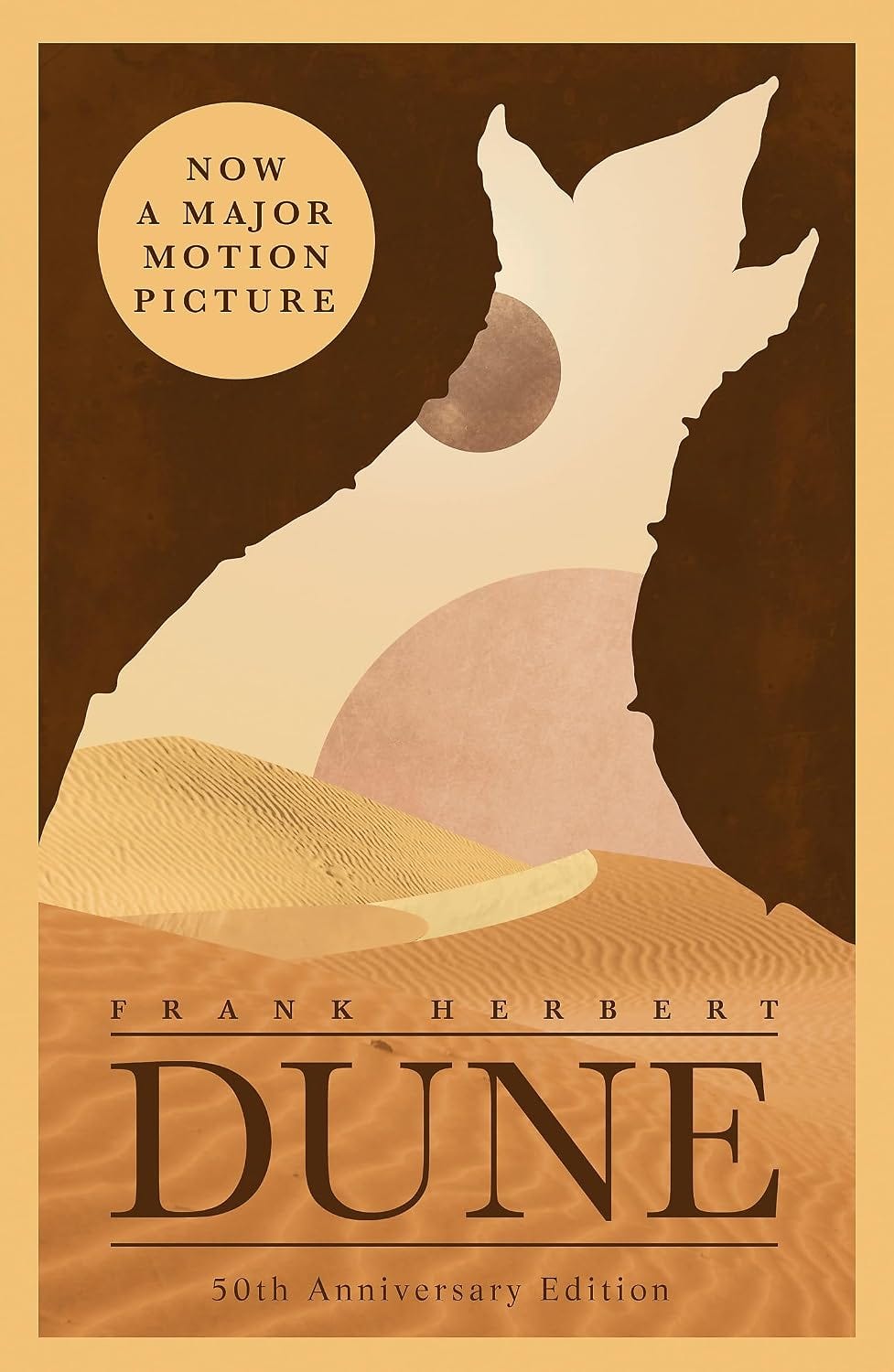
On the fabulously valuable desert planet of Arrakis, young Paul Atreides must escape the political machinations of his enemies, ally with the native Fremen - and struggle with his own destiny. Dune draws the reader into a deeply realised world, with its own ecology, complex society and deep history. Beautifully written, epic yet tightly plotted, with moral complexities at both the individual and societal level, if you read only one science fiction novel, make it Dune. Also contains sandworms.
Appendix: Five Short Story Collections
The modern focus on the novel can mean that we overlook some of the best of science fiction. The short story was incredibly important to the genre’s evolution, much of which took place through magazines. The ‘Big Three’ of the Golden Age - Clarke, Heinlein and Asimov - all wrote dozens, often of a more consistently high quality than their novels, as did many others, some still remembered and some long forgotten.
So here, in no particular order, are five of the best short story collections out there:
Selected Stories of Philip K Dick - Philip K Dick. I find it hard to whole-heartedly recommend any of Dick’s novels,20 but his short stories are up there with the best. This selection includes the stories on which the films Minority Report, Total Recall and Paycheck were based, as well as many others.
The Complete Robot - Isaac Asimov. The ‘Three Laws of Robotics’ are Asimov’s greatest legacy,21 and this collection brings all of his robot short stories together - many of which have a new resonance in this age of emerging AI.
Outer Space, Inner Lands - Ursula Le Guin. Yes, this is the one with The Ones Who Walk Away From Omelas in it. Right from the Earthsea trilogy, I’ve never managed to be as captivated by Le Guin as many are, but she’s undoubtedly one of the greats.
Dangerous Visions - compiled by Harlan Ellison. A deliberately provocative, thought-provoking and ground-breaking collection of originally written stories, published in the late ‘60s, many of these have stood the test of time - and even those that haven’t are worth reading, as a snapshot of a moment.
The Nine Billion Names of God - Arthur C. Clarke. Clarke’s collection of his 25 personal favourites, this includes some of the very best of his writing, in long or short form.
So there we go. Whittling down from my long list to 25 was not easy - and there are undoubtedly many others that could contend for a place.22 But this is my ranking of the top 25 - what would yours be?
Reminder:
I have an ‘Ask me Anything’ running currently - post a question here to have it answered.
A 25% off sale on annual subscriptions is running to the end of the year.
There is nothing spurious about this list’s subjectivity!
I personally think the problem of consciousness is a fake problem, with consciousness simply an emergent property of sufficiently advanced ability to reason, but enough people take it seriously that Blindsight makes the list.
Plus, while I must perforce acknowledge that Pern is technically science-fiction - and I love it - I’ll be jiggered if I include it on a ‘must read’ science-fiction list; barring a 2-page introduction, most of the novels - including most of the best - read as pure fantasy, and say far more about that genre than they do about sci-fi.
Not the immigration agency, but Intrusion Countermeasures Electronics - used to stop hackers in cyberspace from breaking into things.
Verne wrote a third novel about the Baltimore Gun Club, The Earth Turned Upside Down, in which the protagonists attempt to use an even bigger gun to abolish the Earth’s tilt, thereby opening up the polar regions to colonisation. Unlike the first two, which are hard science fiction, the third book is firmly satire - a genre shift which caught me at least by surprise.
I like Accelerando, but it’s not my favourite Stross novel: the Merchant Princes series is outstanding, while the Laundry Files - particularly the earlier novels - are great fun for anyone who’s ever wondered what would happen if British Whitehall bureaucracy encountered Lovecraftian monstrosities. But this isn’t a ‘best’ list, it’s a ‘must read’ list - and Accelerando is much more relevant for anyone wanting to understand what’s motivating/inspiring/terrifying some people in the AI world today, so it’s the one that makes the list.
The only novel I’ve read that concerns itself with how to maintain apostolic succession on an extra-solar colony.
Though I remain unconvinced of their political theory that it’s OK to give one person unlimited Imperial power because the galaxy is so big they can’t be in enough places at once to do much harm with it.
They look like bugs, you see.
The much mocked ‘sufficiently clever people can achieve global power and influence by blogging on the internet’ has also turned out to be surprisingly prescient. Admittedly no-one has yet blogged their way to World Hegemon, but we live in a world where the bosses of the richest and most powerful companies in the world are highly influenced by an autodidact famous for his Harry Potter fanfic and internet-posted ‘sequences’, and where people who were not public figures before blogging - Scott Alexander, Zvi, and others - have had significant world influence, not least on entire nations’ COVID strategies.
Evidence that the publishing process has never been quick.
Though while I can imagine a future in which we established a lunar penal colony, I have to suspend my disbelief that if we did so, we’d use it primarily to grow wheat.
Almost.
Her fantasy books are also excellent.
The first book written was Shards of Honour, and is where you should start if you want to read in either publication or chronological order (it is where I started). But while Shards of Honour is good, The Warrior’s Apprentice is arguably better, and certainly more archetypal of the series.
I appreciate a book written in 1986 may not precisely count as ‘modern’, but she was writing the series well into this century.
To be fair, most of the stories - including this one - are set on the margins, or entirely outside the Culture itself.
If you thought The Queen’s Gambit was impressive for making multi-page depictions of chess games not just readable, but gripping, imagine Banks doing the same for a vastly more complex game - and one which only exists in his imagination.
How do I equate this with my claim that Bujold is arguably the best living science fiction author? As an author, considering her complete oeuvre, Bujold takes the prize - but The Three Body Problem, as a single work, stands in a class of its own.
Blade Runner is absolutely an example of the film being better than the book - even though I read the book first.
Alongside the very word ‘robotics’.
Brave New World, A Fire Upon the Deep, Ancillary Justice, Wool and Fahrenheit 451 were particularly difficult choices to cull.